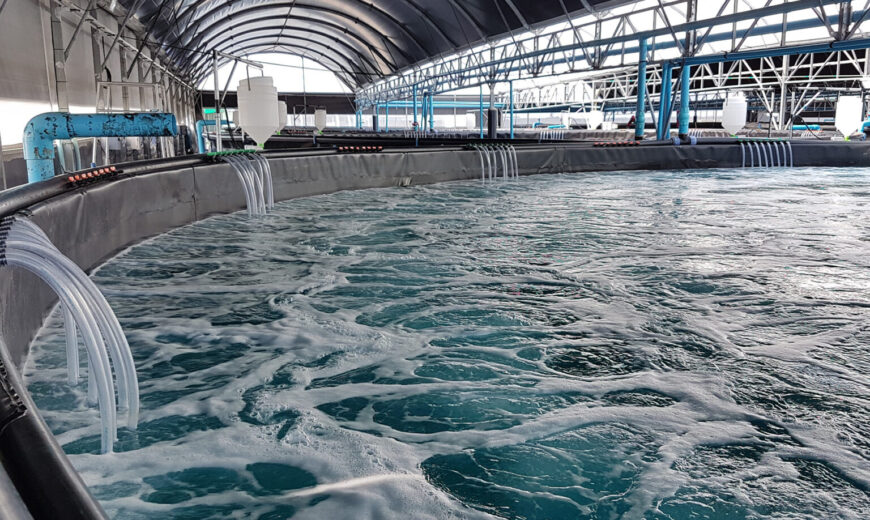
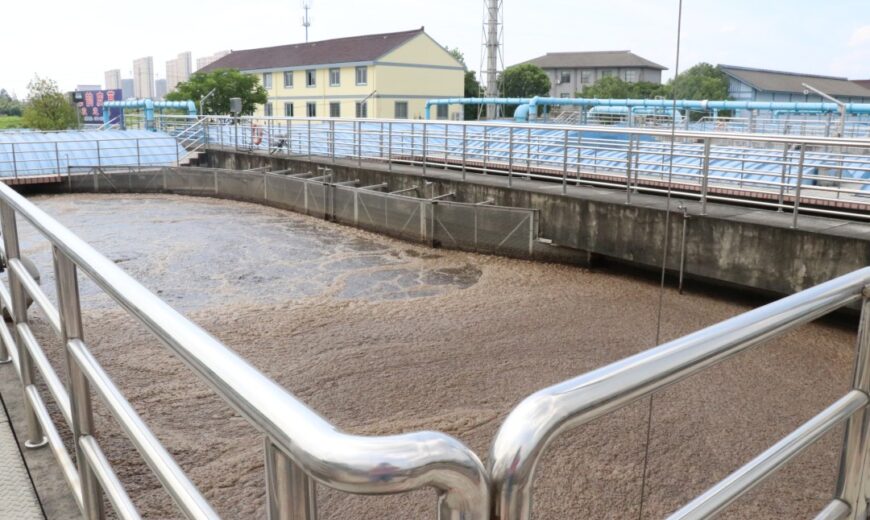
Many wastewater treatment operators focus heavily on reactor sizing, aeration capacity, and media filling ratios when installing an MBBR system. But one of the most underestimated phases is the first one: Startup. A well-designed MBBR system can still underperform for weeks or months if startup is poorly managed. Why? Because MBBR performance depends on mature […]
Read More
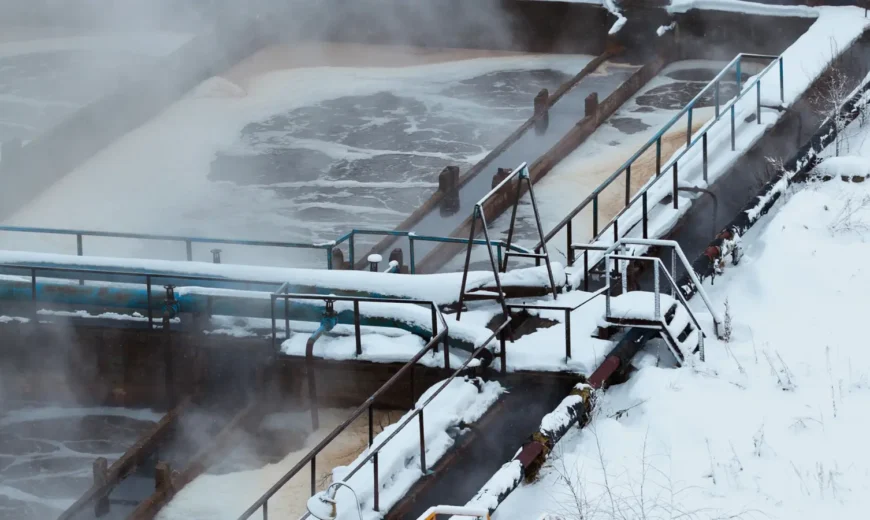
Temperature changes are often underestimated in wastewater treatment plants. However, especially during winter months, lower water temperatures are one of the most important factors directly affecting biological treatment performance. Many operators realize the issue too late and ask: Why does an MBBR system that works well in summer fail to deliver the same performance in […]
Read More
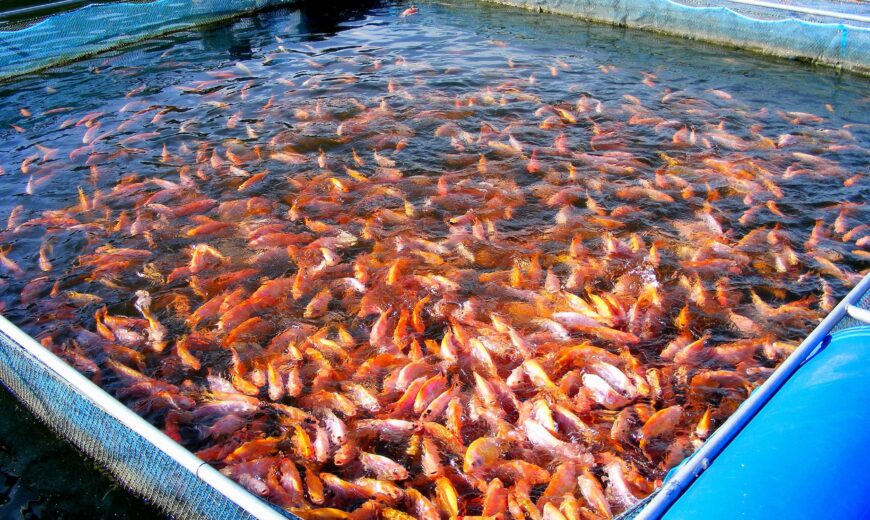
In aquaculture, operators often invest heavily in tanks, pumps, oxygen systems, feeders, and monitoring equipment. Yet one of the most important components is frequently treated as a commodity: MBBR media. That is a costly mistake. In Recirculating Aquaculture Systems (RAS), the carrier media inside your biofilter determines how effectively ammonia is converted, how stable water […]
Read More
In aquaculture, system stability is not determined by feeding strategy, tank size, or even filtration equipment alone. It is determined by one thing: Whether your biological system can absorb uncertainty. In Recirculating Aquaculture Systems (RAS), that uncertainty comes from daily feeding cycles, metabolic waste, oxygen fluctuations, and temperature variation. MBBR (Moving Bed Biofilm Reactor) systems […]
Read More
In modern aquaculture, especially in Recirculating Aquaculture Systems (RAS), biological filtration is not optional — it is the backbone of the entire operation. Fish don’t die because of lack of feeding.They die because of ammonia accumulation and unstable water quality. This is where Moving Bed Biofilm Reactor (MBBR) media becomes a critical component — not […]
Read More
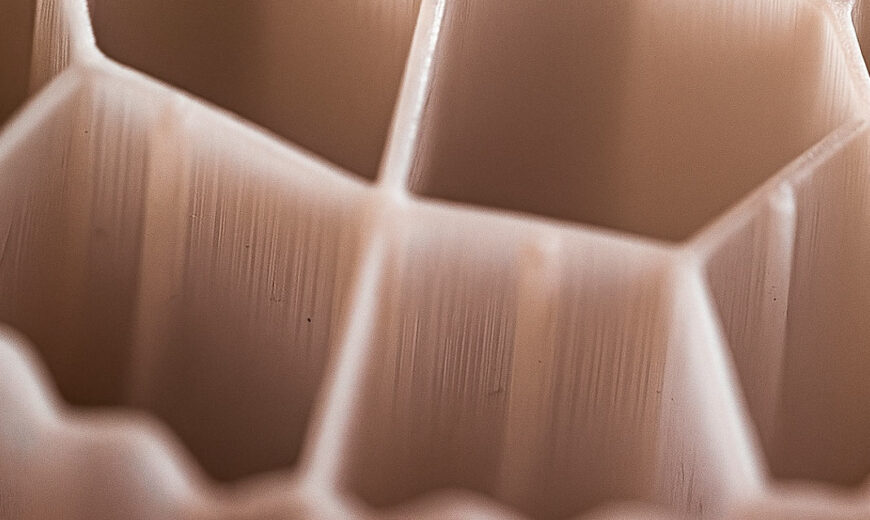
Most discussions around Moving Bed Biofilm Reactor (MBBR) systems focus on surface area values and filling ratios. That’s shallow thinking. In reality, the true performance of an MBBR system is dictated by how media design interacts with biology, hydrodynamics, and oxygen transfer simultaneously. If you don’t understand this interplay, you’re not designing — you’re guessing. […]
Read More