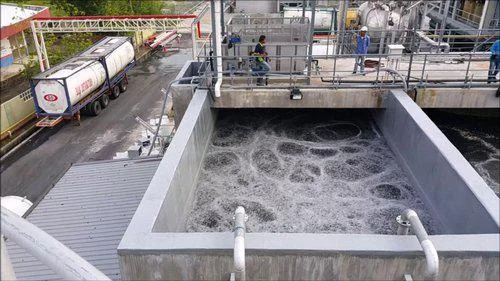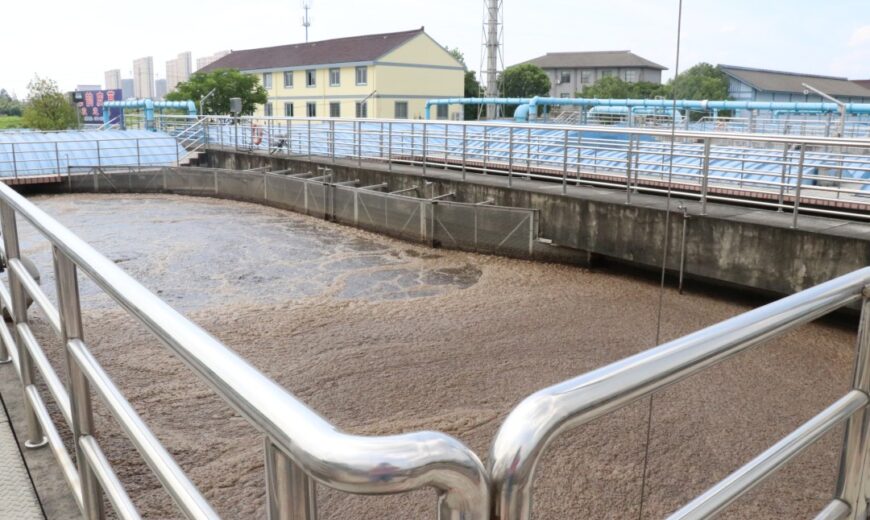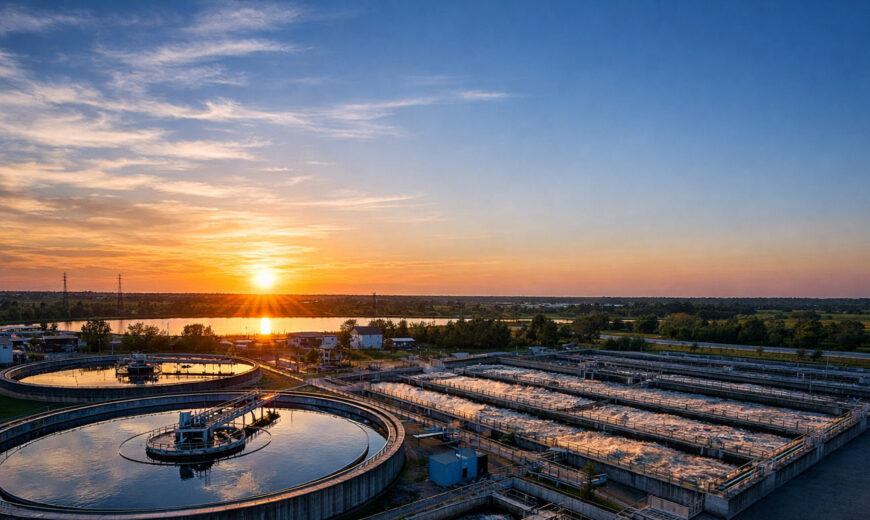
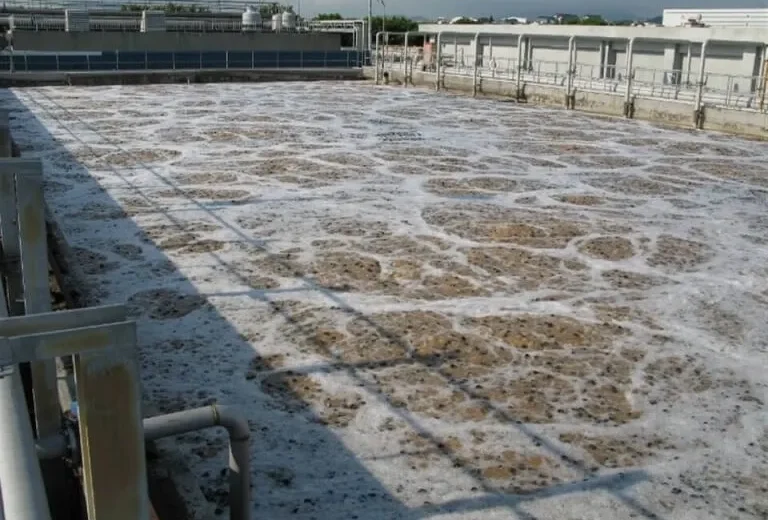
In MBBR (Moving Bed Biofilm Reactor) systems, one design parameter quietly determines a large part of the process behavior: The media filling ratio. It is often treated as a simple percentage during design, but in reality, it directly influences: Choosing the wrong filling ratio does not just reduce efficiency — it can fundamentally change how […]
Read More
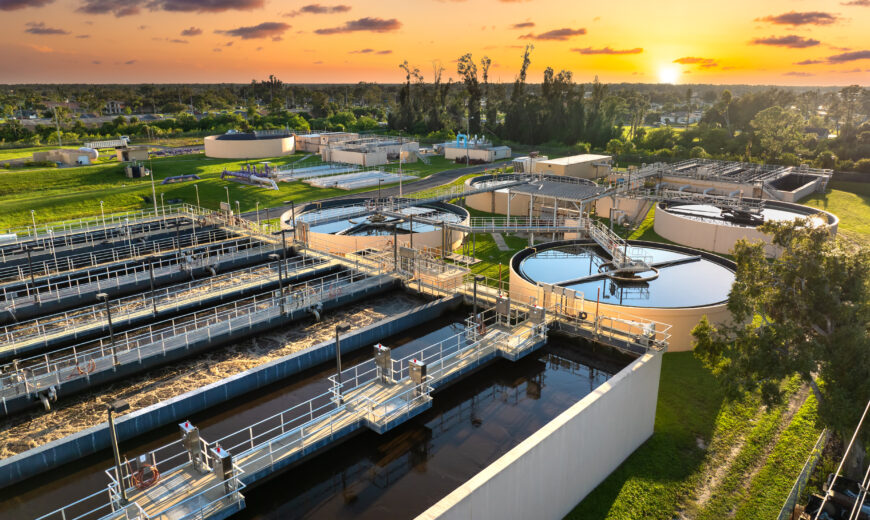
Industrial wastewater rarely stays stable. One day a treatment system operates under normal conditions.The next day it may experience: For many conventional biological systems, these fluctuations create serious operational stress. This is exactly why more industries are adopting: MBBR (Moving Bed Biofilm Reactor) technology MBBR systems are especially effective in environments where wastewater characteristics constantly […]
Read More
Most engineers approach MBBR design with one primary goal: meet discharge limits. But once the system is running, a different reality emerges: Energy becomes the dominant operating cost. In many MBBR installations, aeration alone accounts for 50–70% of total energy consumption. Yet here’s the uncomfortable truth: Most systems are not optimized for energy — they […]
Read More
Many wastewater treatment operators focus heavily on reactor sizing, aeration capacity, and media filling ratios when installing an MBBR system. But one of the most underestimated phases is the first one: Startup. A well-designed MBBR system can still underperform for weeks or months if startup is poorly managed. Why? Because MBBR performance depends on mature […]
Read More
Nitrogen and ammonia removal has become one of the most critical challenges in modern wastewater treatment, driven by stricter discharge regulations, increasing industrial loads, and the need for sustainable plant operation. Conventional biological systems often struggle with fluctuating influent characteristics, temperature sensitivity, and limited reactor capacity. This is where Oxy-Film MBBR technology offers a highly […]
Read More