
MBBR aeration keeps your biofilm carriers moving and your bacteria full of oxygen. However, many plants treat it as a simple blower setting. That is a costly mistake. Good design protects both treatment quality and your energy bill.
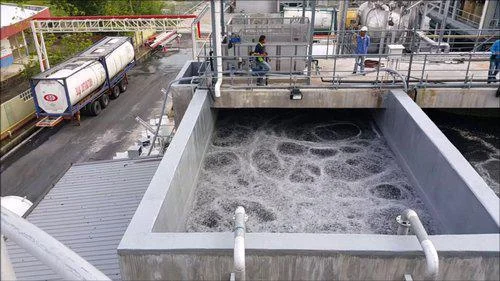
Why MBBR Aeration Matters
Air does two jobs in a moving bed reactor. First, it supplies oxygen to the biofilm on each carrier. Second, it keeps the media moving through the whole tank. For example, a dead zone with no mixing quickly loses its biofilm. Therefore, you must plan for both jobs together.
Coarse or Fine Bubbles for Your Reactor
Coarse bubble diffusers are the usual choice for MBBR. They create strong mixing and resist clogging. In addition, rising bubbles shear off extra biofilm, which keeps it thin and active.
Fine bubble diffusers transfer oxygen better. However, they mix less and can foul in dirty water. Because of this, many designers use coarse bubbles in the main tanks. They keep fine bubbles for low-load stages.
How Much Air Does a Reactor Need?
Air demand depends on the oxygen load and the mixing need. Check both numbers, then design for the higher one. As a rule, aim for 2 to 4 mg/L of dissolved oxygen in aerobic tanks.
For example, a carbon removal stage may run near 2 mg/L. Nitrification, however, often needs 3 mg/L or more. Also keep the media volume in mind. A higher fill needs more air to keep carriers moving. Our guide to the MBBR fill ratio explains this link in detail.
Diffuser Layout Tips for MBBR Aeration
Place diffusers evenly across the tank floor. Leave no gaps near the walls. Also keep the grid at a steady height so air spreads well. Otherwise, carriers will pile up in weak spots.
Keep the outlet screens clear, too. Blocked screens can raise the water level and upset the flow. As a result, check them during every routine visit.
Common Aeration Problems
Watch for these warning signs:
- Carriers piling up: Mixing is too weak in one corner.
- Thick, slimy biofilm: Air shear is too low.
- Bare, white carriers: Air is too strong, or oxygen is too low.
- High blower power use: Diffusers may be fouled.
Therefore, inspect diffusers every year. Also log your dissolved oxygen each day. These small habits catch most problems early. For official guidance on treatment standards, see the US EPA wastewater resources.
Simple Ways to Save Energy
Aeration often uses half of a plant’s electricity. However, a few steps can cut that cost. For example, add a dissolved oxygen probe and link it to a variable speed blower. As a result, the air follows the real load.
Moreover, split the grid into zones so you can adjust each one. Finally, clean the diffusers on a fixed schedule.
Final Thoughts on MBBR Aeration
Good MBBR aeration balances oxygen, mixing and energy use. Start with a coarse bubble grid and size the air for the higher demand. Then monitor and adjust. To discuss your project, contact the Oxy-Tech team.